The 9 Norse worlds
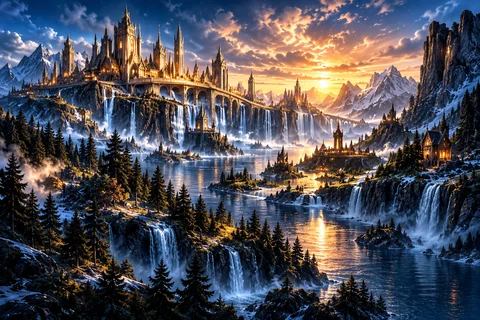
Asgard, Midgard, Jotunheim, and other realms shape a mythological vision of the cosmos.
Discover the worlds
Explore your date in a model inspired by Norse traditions and discover a unique symbolic reading through runes, cycles of fate, and the wisdom of ancient worlds.
Explore my dateEnter your birth date to explore your place in our symbolic Norse universe and discover a personalized, illustrated interpretation.
What concrete action could bring this idea into your everyday life?
This association defines neither your personality nor your future. Use it as an invitation to write, observe, and choose.
How do we use your date?Asgard, Midgard, Jotunheim, and other realms shape a mythological vision of the cosmos.
Discover the worlds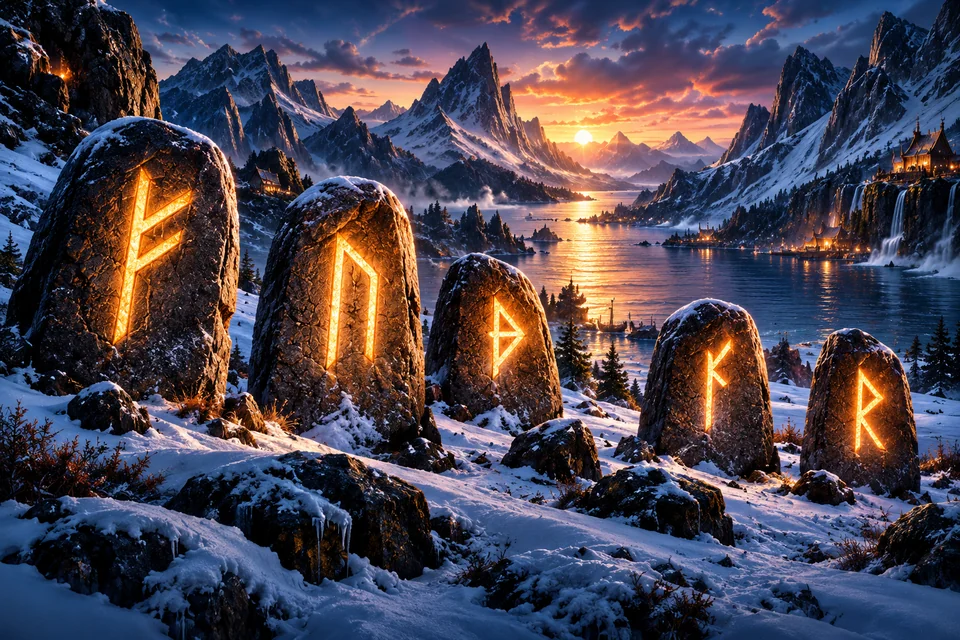
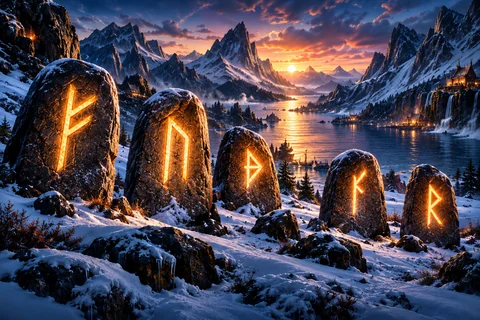
A symbolic journey through runic signs and their archetypal themes.
Explore the runes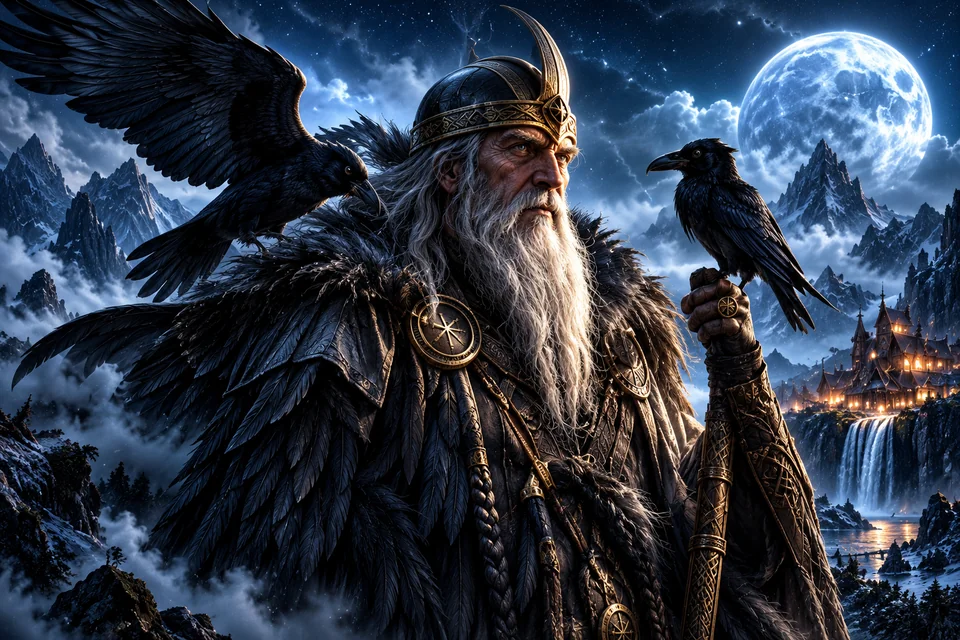
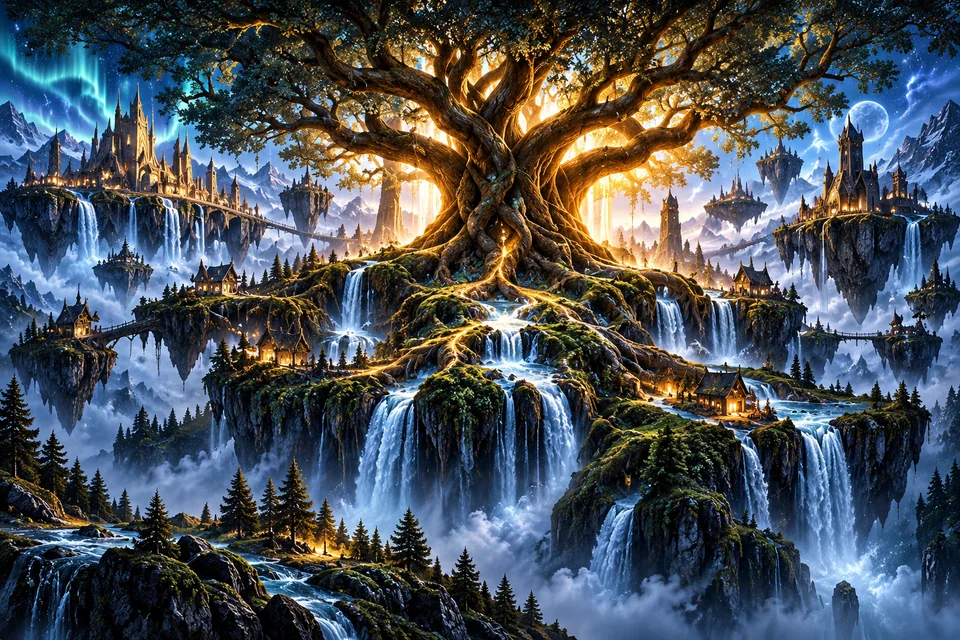
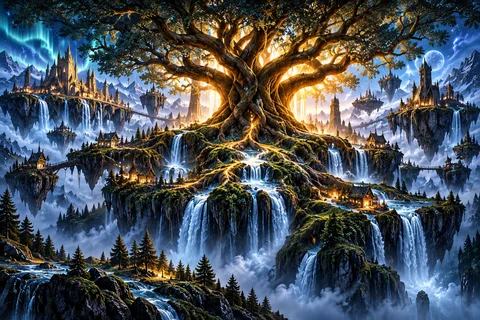
A living axis connecting the realms and illuminating your own path.
Discover Yggdrasil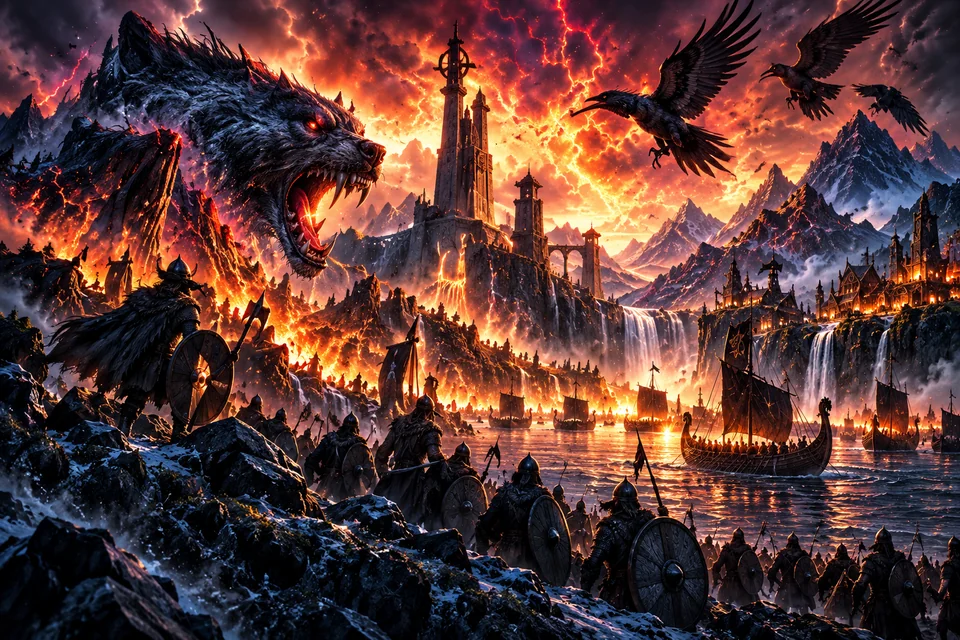
A symbolic reading of challenges, turning points, and fresh beginnings.
Discover RagnarökExplore the future report’s editorial direction: your date explained, original illustrations, and a reflective journey through northern landscapes.
Editorial preview — personalized PDF and sales unavailable
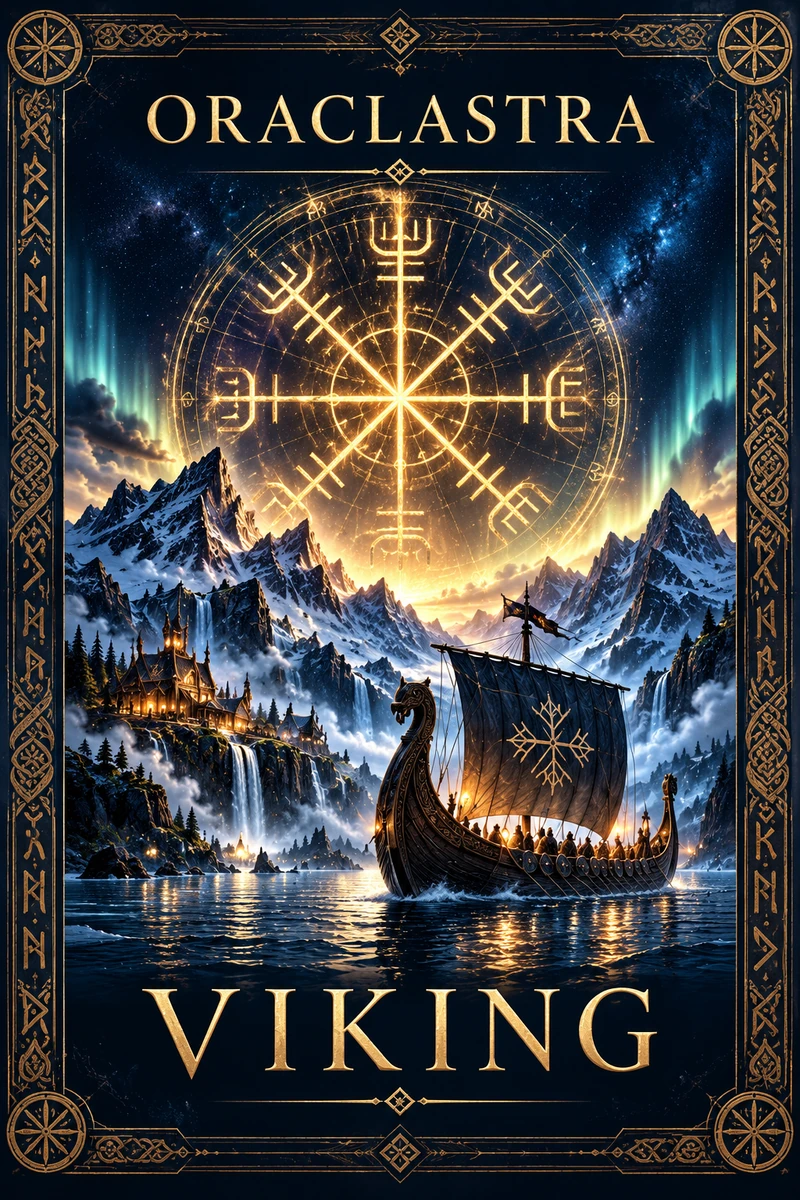
Project cover and layout concept, not a generated PDF or a product available for purchase.
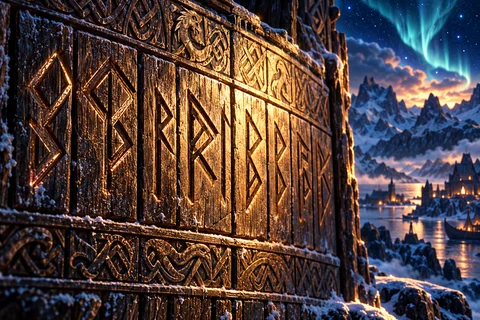
Signs, structure, and symbolic interpretation.
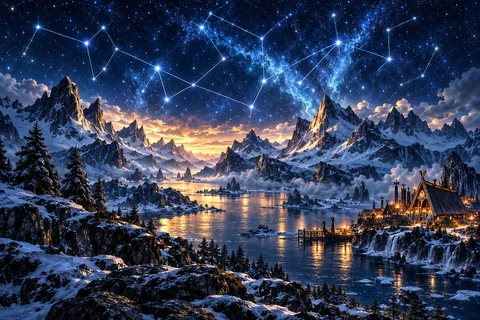
A contemporary artistic composition of the sky.
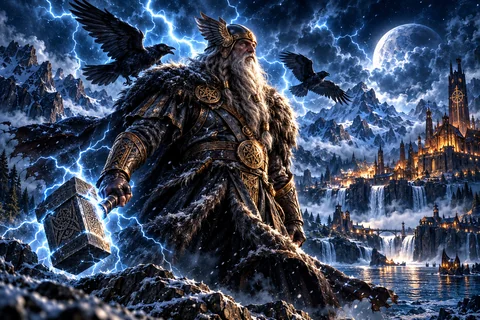
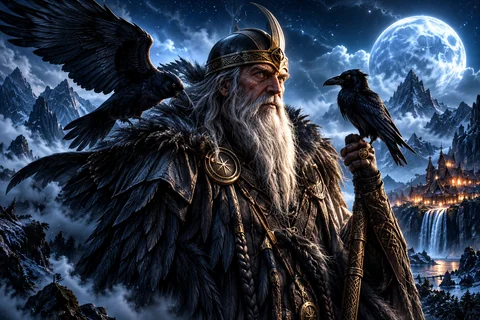
Odin, Thor, Freyja: figures from Norse stories.
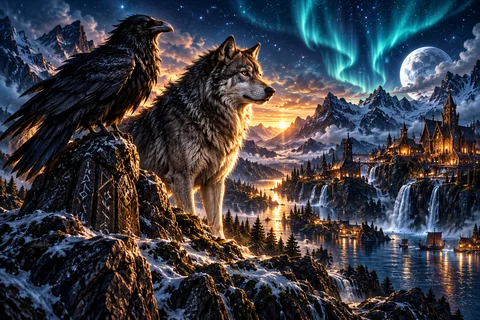
Raven, wolf, tree: imagery and modern readings.
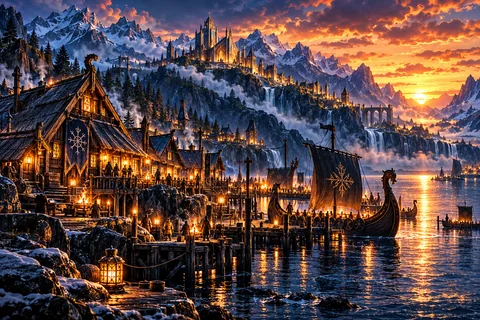
Discovering and reinterpreting tradition thoughtfully.
Birth-date associations with runes and worlds are a modern ORACLASTRA convention. They are not historically attested Viking practices and do not measure celestial influences.
The drawn constellations, radial emblem, and illustrations are modern artistic creations. We do not attribute them to Vikings. Costumes and architecture belong to fantasy, not archaeological reconstruction.
Norse stories survive through sources from different periods and contexts. A myth is neither an astronomical observation nor evidence of a universal practice.
Nine worlds belong to Norse mythology. Our list — Asgard, Midgard, Jotunheim, Vanaheim, Alfheim, Svartalfheim, Niflheim, Muspell, and Hel — is a modern presentation: medieval sources do not provide one definitive, complete map. Their positions in our artwork are artistic choices, not established ancient geography.
The 24-character Elder Futhark predates the Viking Age. Viking-Age Younger Futhark has 16 characters. Runes are primarily a writing system: our modern reflection themes are neither inscription translations nor a historical horoscope. Explore the 24 signs below in conventional order.
In Norse stories, Odin embodies a demanding search for knowledge. His link with runes is mythological; our journey asks what learning requires, without claiming to reveal anyone’s fate.
Yggdrasil is the world tree of Norse mythology. Here its roots and branches become a modern metaphor: recognize your foundations, nurture your connections, and choose a direction. This personal interpretation is an ORACLASTRA creation, not an attested birth-date tradition.
Ragnarök is a mythological account of the world’s ending and the conflict between gods and their opponents. Our interpretation of endings and renewal is a contemporary literary exercise, never a prediction of disaster in your life.
The drawn constellations, radial emblem, and illustrations are modern artistic creations. We do not attribute them to Vikings. Costumes and architecture belong to fantasy, not archaeological reconstruction.
Birth-date associations with runes and worlds are a modern ORACLASTRA convention. They are not historically attested Viking practices and do not measure celestial influences.
Norse stories survive through sources from different periods and contexts. A myth is neither an astronomical observation nor evidence of a universal practice.
We calculate its day number in the Gregorian year (365 or 366 days). We divide that year into 24 sectors for runes and 9 for worlds. Index = floor((day number − 1) × sector count ÷ days in year). The order is published below; February 29 has its own position. Results are reproducible and symbolic, without prediction.