
The 3 Nile seasons
Akhet, Peret and Shemu: flooding, growth and harvest. Three cultural reference points for the rhythm of the Nile.
Explore further →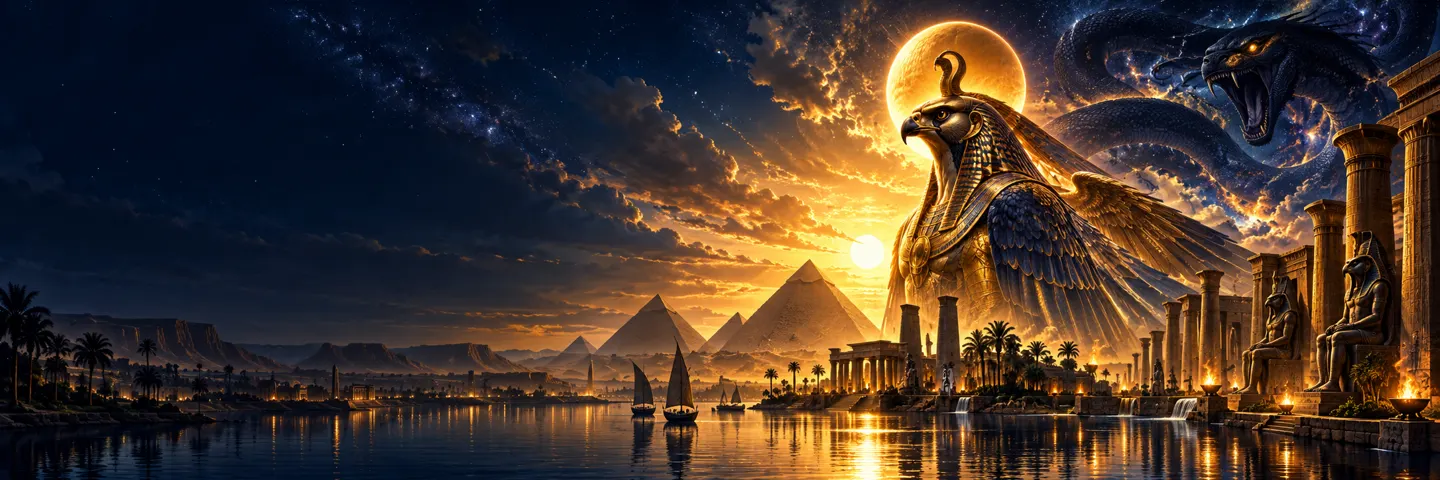
Explore your date in an educational 365-day model. Discover an illustrated symbolic reading through the Nile seasons, Ra’s solar journey and the passage of Apophis.
Explore my date →Enter your date to find its place in our educational calendar and open your illustrated mini reading.
Akhet, Peret and Shemu: flooding, growth and harvest. Three cultural reference points for the rhythm of the Nile.
Explore further →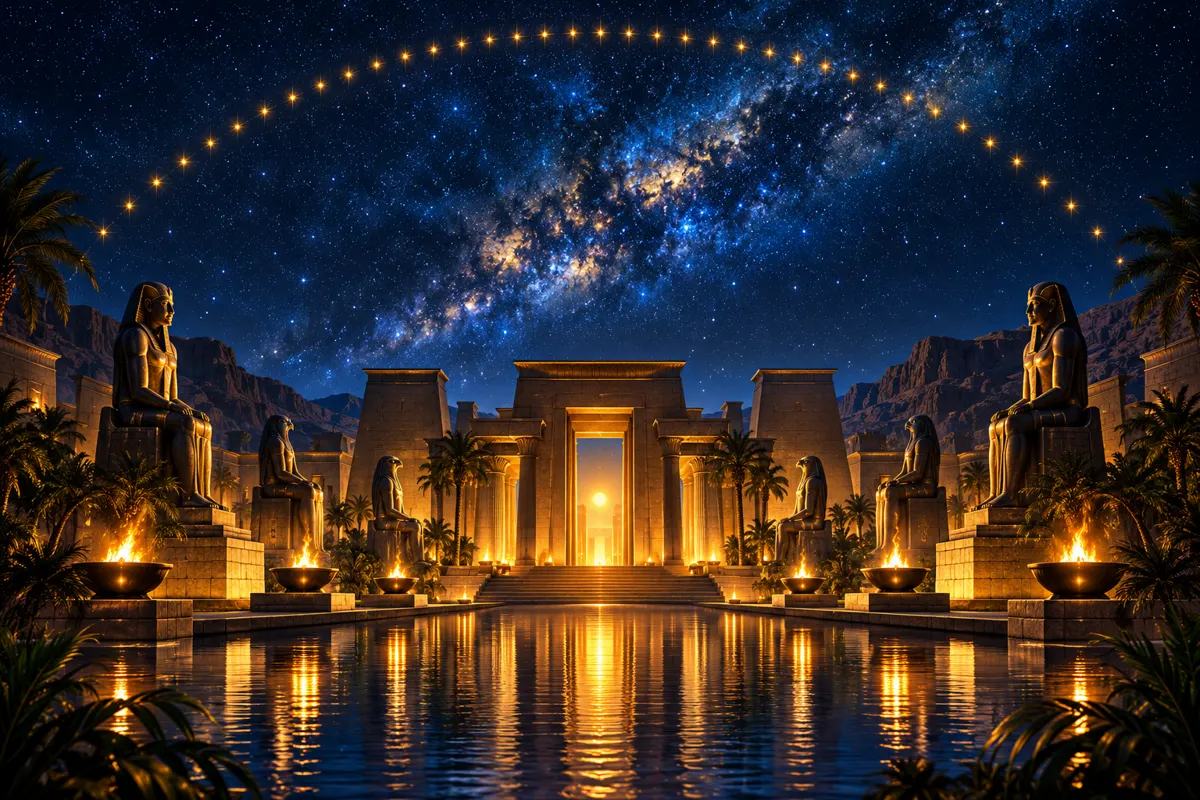
Twelve thirty-day months form 36 civil periods. These positions do not identify a natal stellar decan.
Explore further →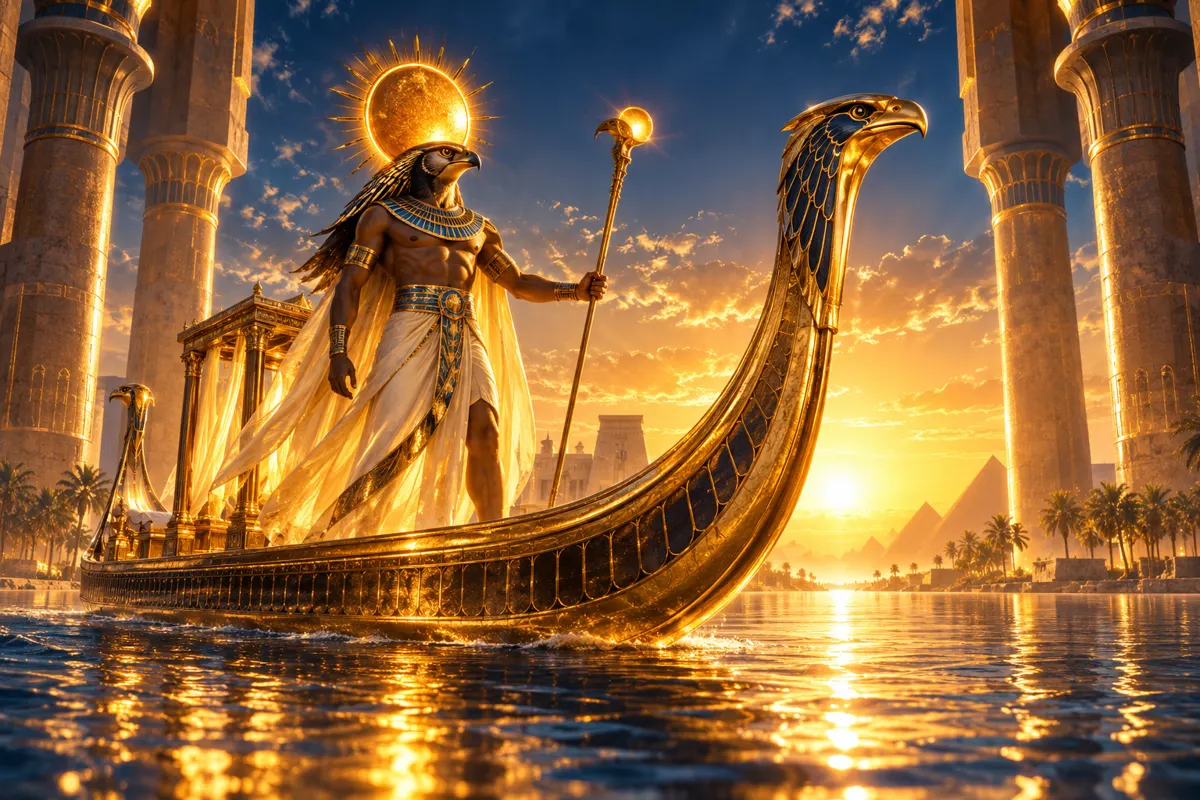
From dawn to renewal, five narrative images introduce the solar cycle.
Explore further →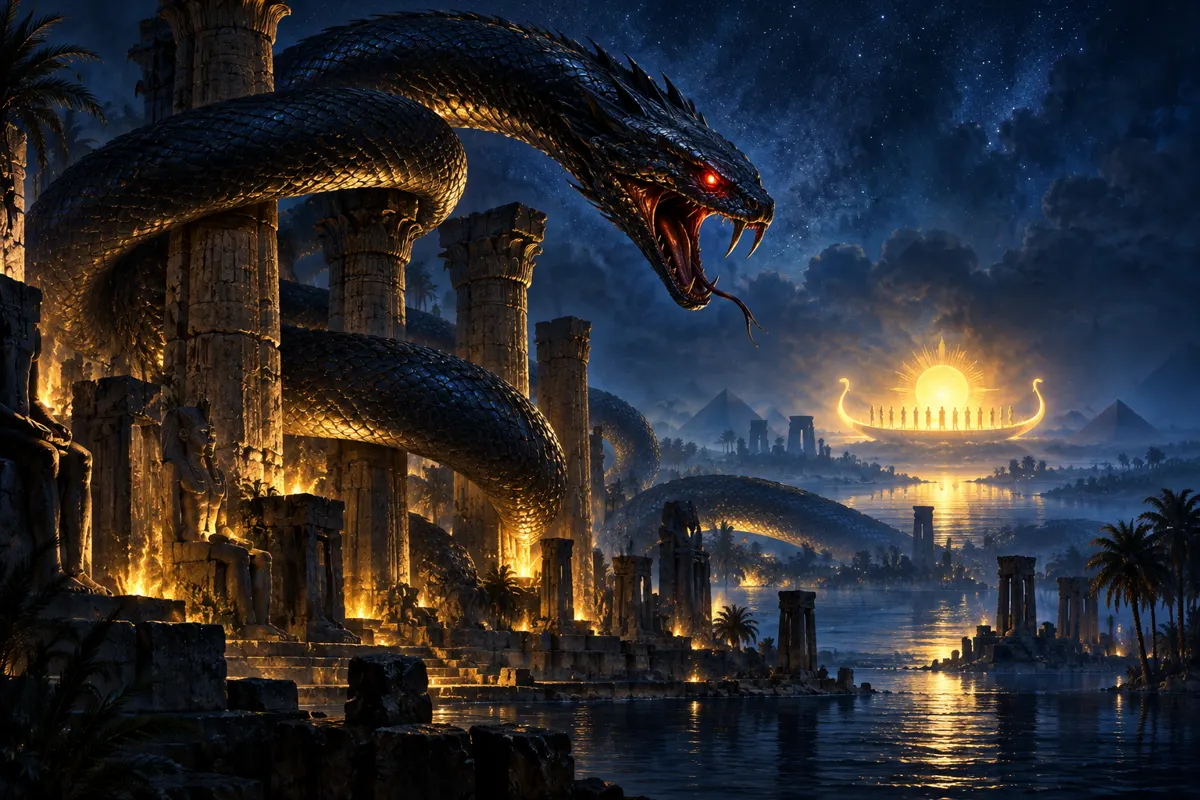
An opponent of the solar voyage in Egyptian narratives, Apophis offers a contemporary way to reflect on obstacles we can recognise and work through.
Explore further →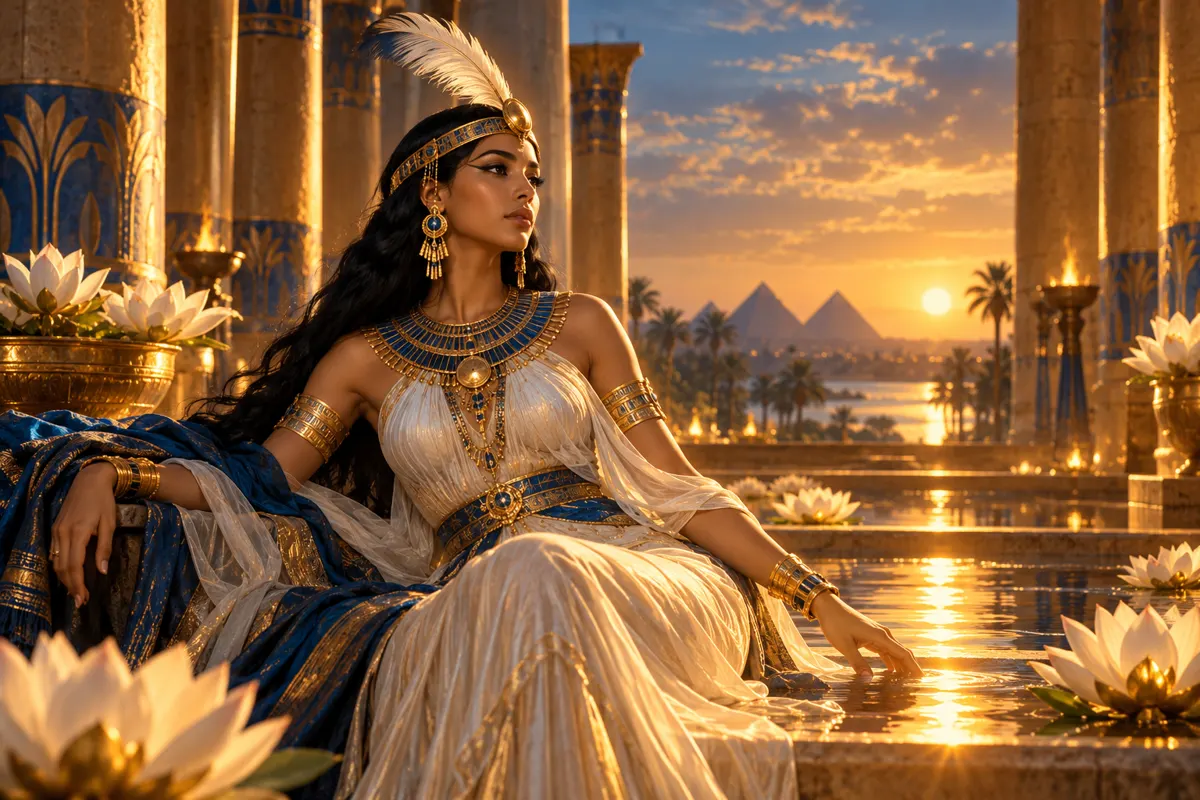
Truth, justice and order: Maat inspires a contemporary reflection on harmony between intentions and actions.
Explore further →An editorial direction for a deeper exploration: an explained calendar, original illustrations, symbolic narrative and prompts for reflection.
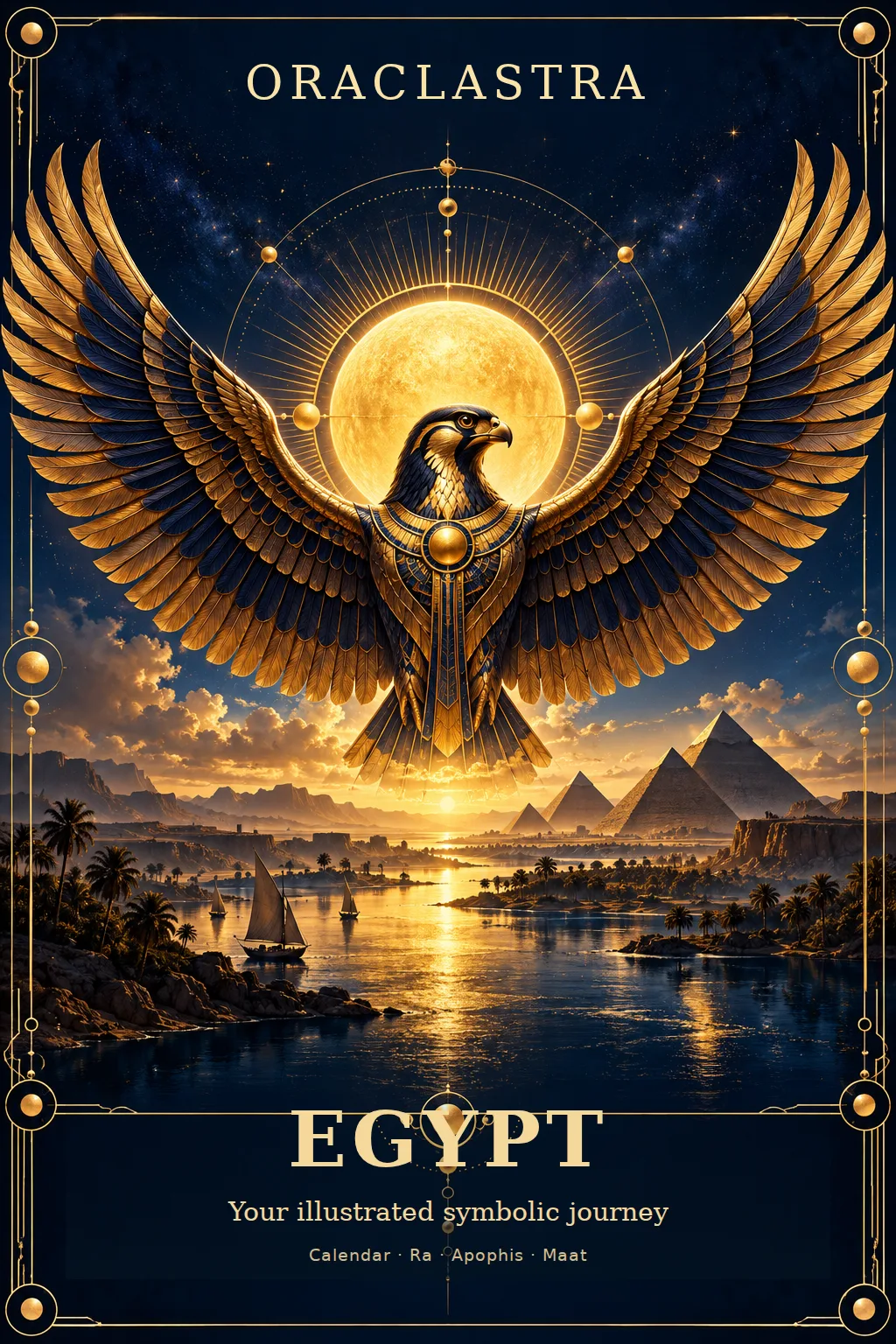 Ra’s solar journey
Layout preview — illustrative artwork, not a page from the final report
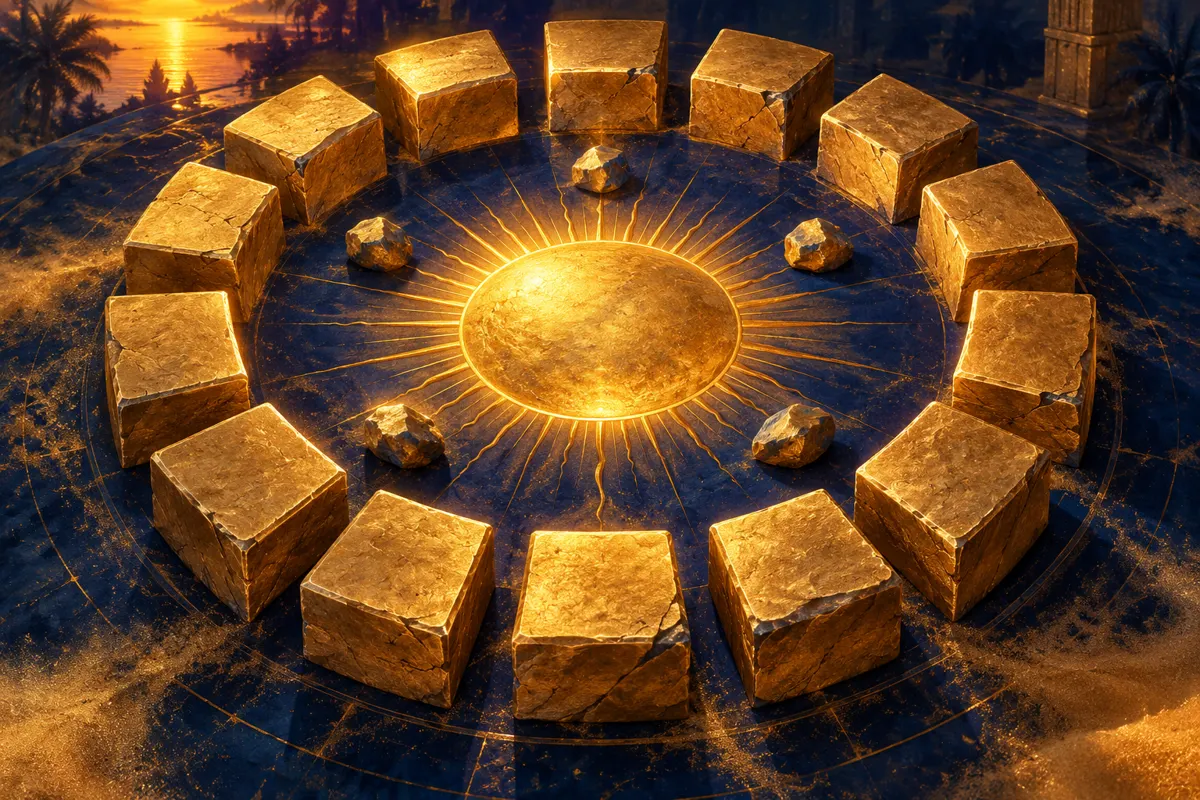
Twelve thirty-day months followed by five additional days.
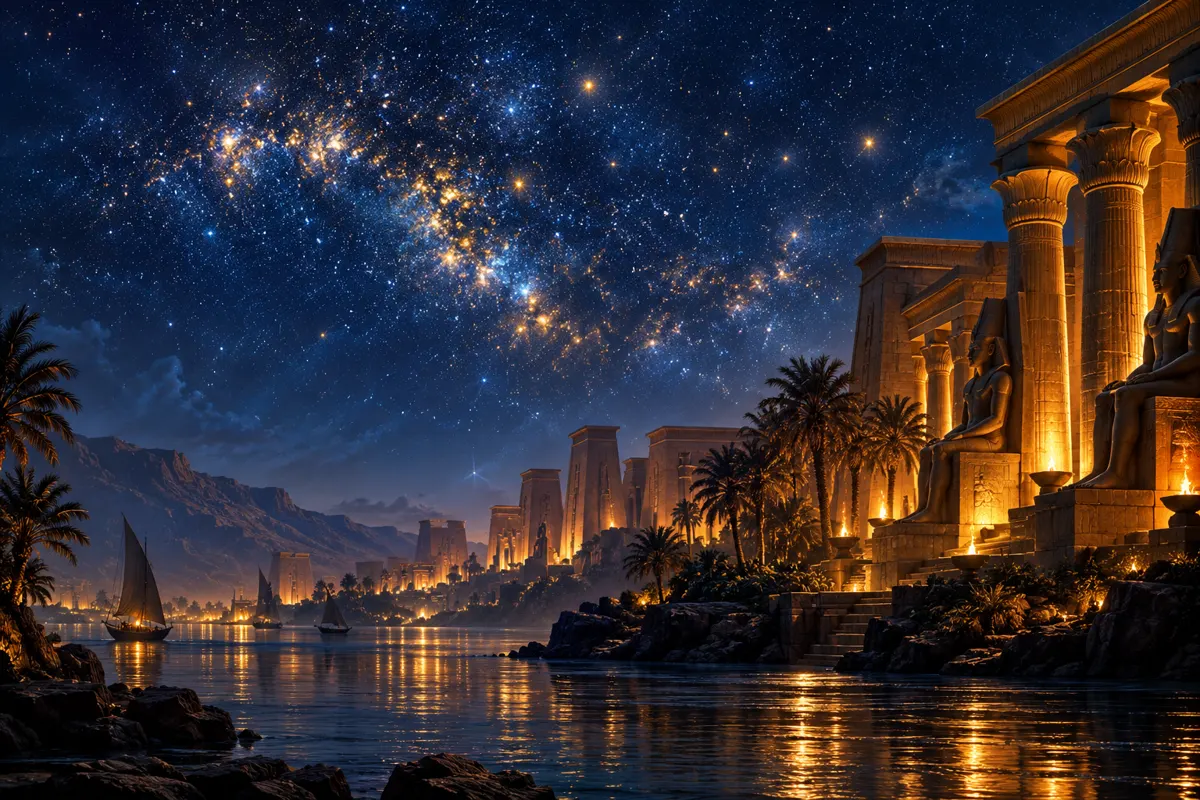
Groups of stars used, among other purposes, to mark the hours of the night.
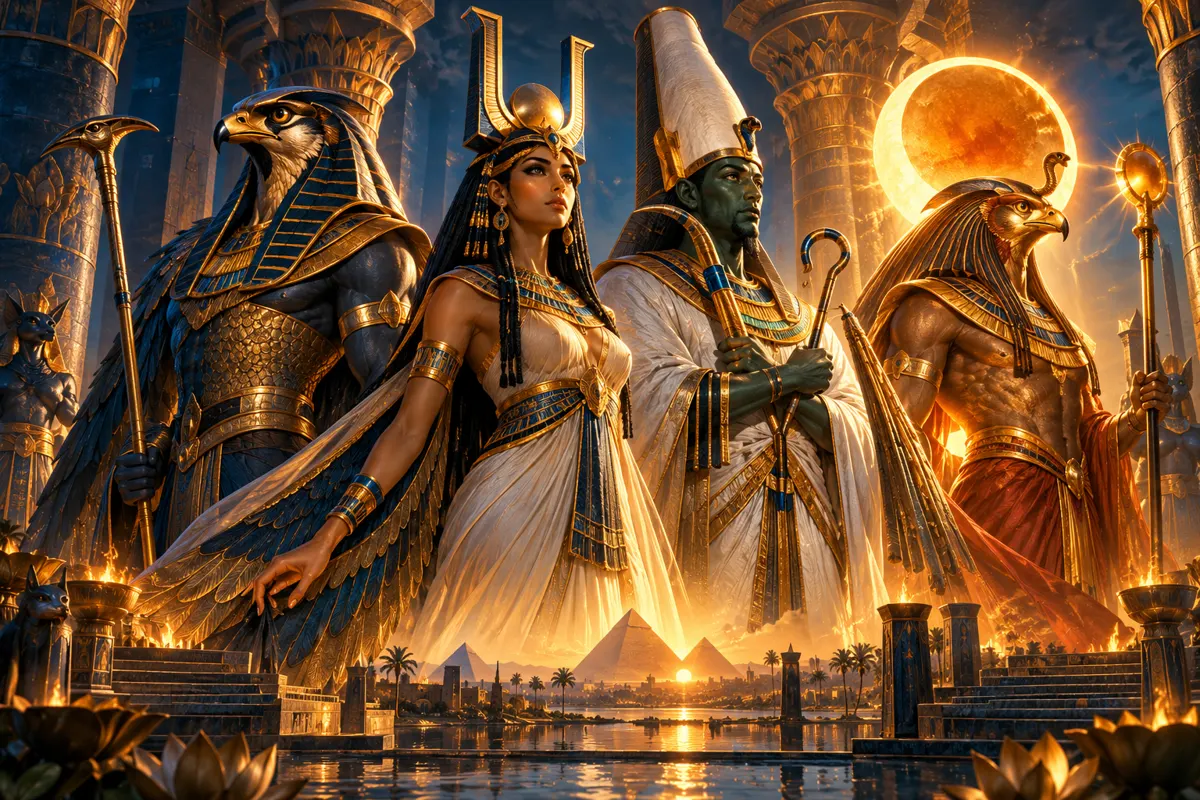
Ra, Horus, Isis and Osiris: different roles across places and periods.
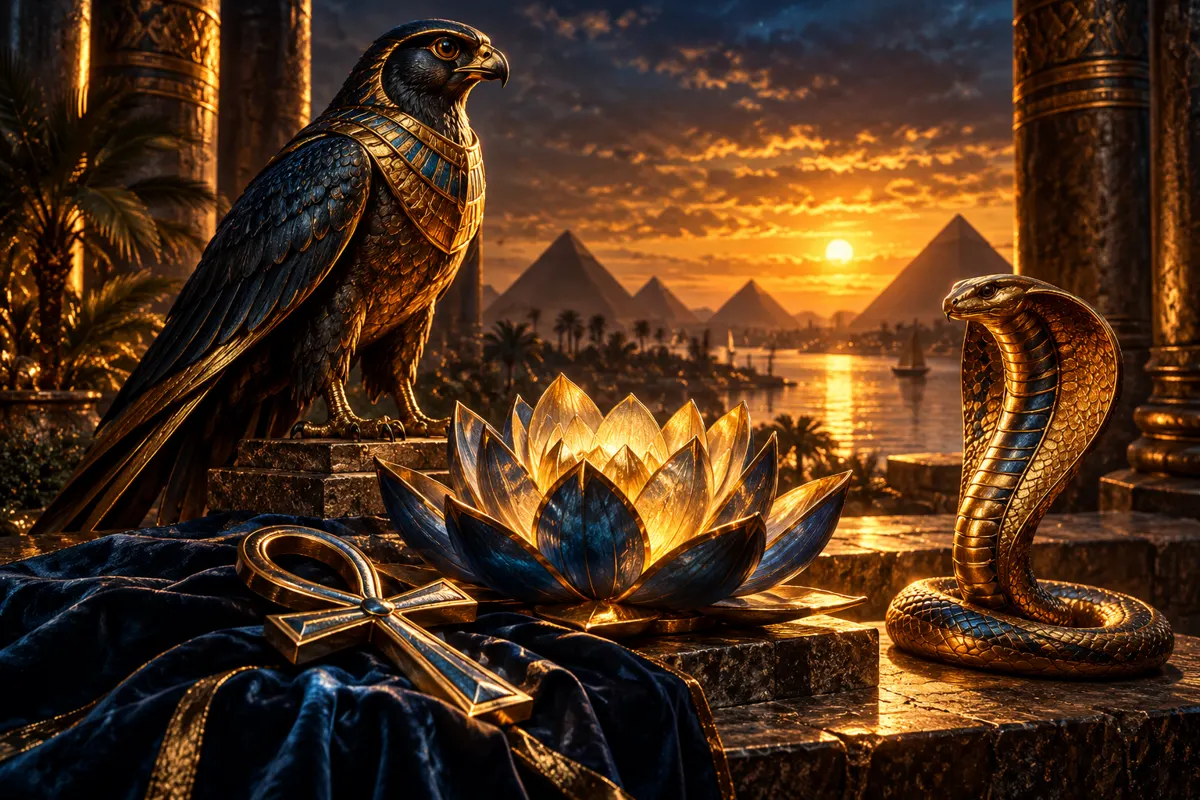
Lotus, ankh, falcon and serpent: images to understand in their context.

Monuments and landscapes invite an informed discovery of this heritage.
The model begins on January 1 by modern convention. It does not convert your birth into an ancient Egyptian date. February 29 shares the position of February 28.
The 36 civil periods do not identify astronomical decans. Apophis is not an attested natal sign; our personal reflections are contemporary ORACLASTRA creations.
Akhet, Peret and Shemu: flooding, growth and harvest. Three cultural reference points for the rhythm of the Nile.
Akhet was associated with inundation. Water transformed the land and prepared the conditions for agricultural life. In our contemporary reading, this image invites you to make room before building something new.
Twelve thirty-day months form 36 civil periods. These positions do not identify a natal stellar decan.
Decans are stellar groups documented in different Egyptian systems. Their observation was used in particular to track the night. Our period number is purely civil: no observation of the sky at your birth has been made.
From dawn to renewal, five narrative images introduce the solar cycle.
Egyptian solar narratives describe the return of light. Your date does not select a stage of destiny: the five images form a complete reflective journey to read together.
An opponent of the solar voyage in Egyptian narratives, Apophis offers a contemporary way to reflect on obstacles we can recognise and work through.
The 36 civil periods do not identify astronomical decans. Apophis is not an attested natal sign; our personal reflections are contemporary ORACLASTRA creations.
Truth, justice and order: Maat inspires a contemporary reflection on harmony between intentions and actions.
What action would bring your choices into closer alignment with fairness, clarity and your values?
The Metropolitan Museum of Art ↗ · Museo Egizio ↗
Contemporary artistic illustrations, not archaeological reconstructions.